Series & Movies
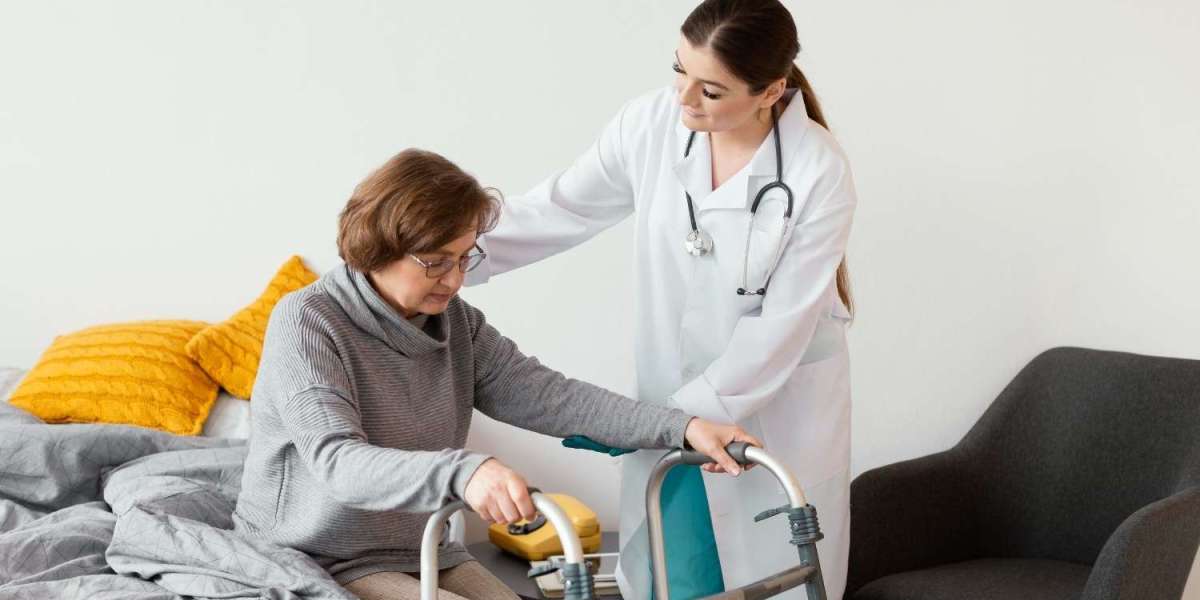
Cancer care is not only about medicines and procedures.
It is also about comfort, dignity, and emotional support.
This is where nurses play a powerful and compassionate role.
Palliative Care Treatment focuses on improving quality of life for patients facing serious illness.
It addresses pain, symptoms, and emotional distress.
Nurses are often the professionals who bring this care to life every day.
They spend the most time with patients and families.
They listen, observe, and respond with empathy.
Their presence offers reassurance during uncertain times.
Understanding Palliative Care in Modern Oncology
Palliative care can begin at any stage of cancer.
It can be given alongside surgery, chemotherapy, or radiation.
Its goal is comfort and support, not just end-of-life care.
In many hospitals offering Palliative Care Treatment In Chennai, nurses are central to this approach.
They help patients manage symptoms while continuing active cancer treatment.
Their work ensures that care remains patient-centered and safe.
Nurses assess pain levels regularly.
They monitor side effects such as nausea, breathlessness, and fatigue.
They communicate these changes promptly to the medical team.
Pain and Symptom Management
Pain is one of the most feared symptoms in cancer.
Skilled nursing care ensures pain is assessed accurately and treated safely.
Timely intervention prevents unnecessary suffering.
Nurses educate patients about pain medications.
They explain correct dosages and possible side effects.
They encourage patients to report discomfort early.
Beyond pain, they also manage symptoms such as:
- Nausea and vomiting caused by chemotherapy.
- Breathlessness in lung-related cancers.
- Constipation due to medications.
- Anxiety and sleep disturbances.
Each symptom is treated with careful monitoring.
Safety and patient comfort always come first.
This careful attention strengthens trust.
Emotional and Psychological Support
A cancer diagnosis affects more than the body.
It impacts emotions, relationships, and mental health.
Nurses provide steady emotional support during this journey.
They listen without judgment.
They answer questions patiently.
They help patients express fears openly.
Sometimes patients feel overwhelmed by complex medical decisions.
Nurses simplify medical information in clear language.
This helps families make informed choices confidently.
Compassionate communication is a key part of Palliative Care Treatment.
When patients feel heard, their anxiety often decreases.
Emotional comfort supports physical healing.
Supporting Families and Caregivers
Families also experience stress and uncertainty.
They may struggle to understand treatment plans.
Nurses guide them through each step.
They teach caregivers practical skills such as:
- Safe medication administration at home.
- Recognizing warning signs that need medical attention.
- Maintaining hygiene and comfort.
- Supporting nutrition and hydration.
This education empowers families.
It reduces preventable complications.
It improves overall patient safety.
In centers providing Palliative Care Treatment In Chennai, family involvement is strongly encouraged.
Nurses help create a shared understanding between doctors and loved ones.
This teamwork improves care continuity.
Promoting Dignity and Respect
Every patient deserves dignity.
Serious illness should never reduce a person’s identity.
Nurses advocate for respectful and ethical care.
They respect cultural beliefs and spiritual values.
They support personal preferences in treatment decisions.
They ensure privacy during sensitive moments.
In advanced illness, maintaining comfort becomes even more important.
Nurses focus on positioning, skin care, and hygiene.
Small actions can greatly improve daily comfort.
Coordination Within the Multidisciplinary Team
Cancer care involves many specialists.
Oncologists, surgeons, nutritionists, and psychologists all contribute.
Nurses act as a bridge between them.
They share updates about symptom changes.
They clarify treatment goals with the team.
They ensure no concern goes unnoticed.
This coordination is essential in Palliative Care Treatment.
It prevents fragmented care.
It keeps patient needs at the center.
Early Integration Improves Quality of Life
Research shows that early palliative care improves outcomes.
Patients often experience better symptom control.
They may also report improved emotional well-being.
When introduced early, Palliative Care Treatment does not replace curative therapy.
Instead, it complements ongoing cancer management.
This balanced approach supports both comfort and treatment goals.
Hospitals offering structured Palliative Care Treatment in Chennai recognize the value of early integration.
Nurses help identify patients who may benefit.
Their timely assessments prevent delayed support.
Ethical and Safe Practice
Palliative nursing care follows strict medical guidelines.
Medication safety is carefully monitored.
All interventions are evidence-based.
Nurses document every symptom and response.
They follow infection control protocols.
They protect patient confidentiality at all times.
Ethical care also means honest communication.
Nurses avoid giving false hope or unrealistic expectations.
They provide balanced, compassionate information.
Building Trust Through Presence
Sometimes the most healing act is simply being present.
Holding a hand during a painful moment matters deeply.
Listening quietly can reduce fear.
Nurses often witness both vulnerability and courage.
They support patients through uncertainty.
Their compassion leaves a lasting impact.
Palliative Care Treatment is not only about managing disease.
It is about preserving comfort and meaning.
Nurses are central to this mission.
Looking Ahead With Confidence
Cancer care continues to evolve.
New therapies bring hope and longer survival.
Yet comfort and dignity remain equally important.
When nurses are actively involved, patients feel safer.
They understand their treatment better.
They feel supported at every stage.
In Chennai, healthcare institutions are strengthening palliative services to meet growing needs.
Trained nurses remain the foundation of this care model.
Their dedication ensures that patients are never alone in their journey.
Conclusion
Compassionate nursing care transforms the experience of serious illness.
Through skilled assessment, emotional support, and ethical practice, nurses uphold dignity and comfort.
Their role in Palliative Care Treatment is both essential and deeply human.
For families seeking structured and supportive Palliative Care Treatment In Chennai, institutions like ICCG India are known for providing comprehensive and patient-centered services.
With experienced teams and a focus on safety and compassion, they continue to support patients with care that prioritizes comfort, respect, and trust.