


Within the bustling halls of an NHS hospital in Birmingham, a young man named James Stokes carries himself with the measured poise of someone who has found his place. His oxford shoes whisper against the floor as he exchanges pleasantries with colleagues—some by name, others with the familiar currency of a "good morning."
James displays his credentials not merely as a security requirement but as a symbol of inclusion. It sits against a pressed shirt that offers no clue of the difficult path that led him to this place.
What distinguishes James from many of his colleagues is not obvious to the casual observer. His bearing reveals nothing of the fact that he was among the first recruits of the NHS Universal Family Programme—an initiative designed specifically for young people who have been through the care system.
"It felt like the NHS was putting its arm around me," James says, his voice steady but tinged with emotion. His remark summarizes the core of a programme that aims to revolutionize how the massive healthcare system approaches care leavers—those frequently marginalized young people aged 16-25 who have emerged from the care system.
The statistics reveal a challenging reality. Care leavers often face higher rates of mental health issues, financial instability, housing precarity, and diminished educational achievements compared to their peers. Behind these clinical numbers are individual journeys of young people who have maneuvered through a system that, despite best intentions, often falls short in delivering the supportive foundation that molds most young lives.
The NHS Universal Family Programme, established in January 2023 following NHS England's promise to the Care Leaver Covenant, signifies a significant change in systemic approach. Fundamentally, it recognizes that the complete state and civil society should function as a "universal family" for those who haven't known the constancy of a traditional family setting.
Ten pioneering healthcare collectives across England have led the way, developing frameworks that reconceptualize how the NHS—one of Europe's largest employers—can open its doors to care leavers.
The Programme is meticulous in its strategy, beginning with thorough assessments of existing policies, forming oversight mechanisms, and garnering executive backing. It recognizes that meaningful participation requires more than good intentions—it demands concrete steps.
In NHS Birmingham and Solihull ICB, where James started his career, they've established a reliable information exchange with representatives who can provide assistance and counsel on personal welfare, HR matters, recruitment, and EDI initiatives.
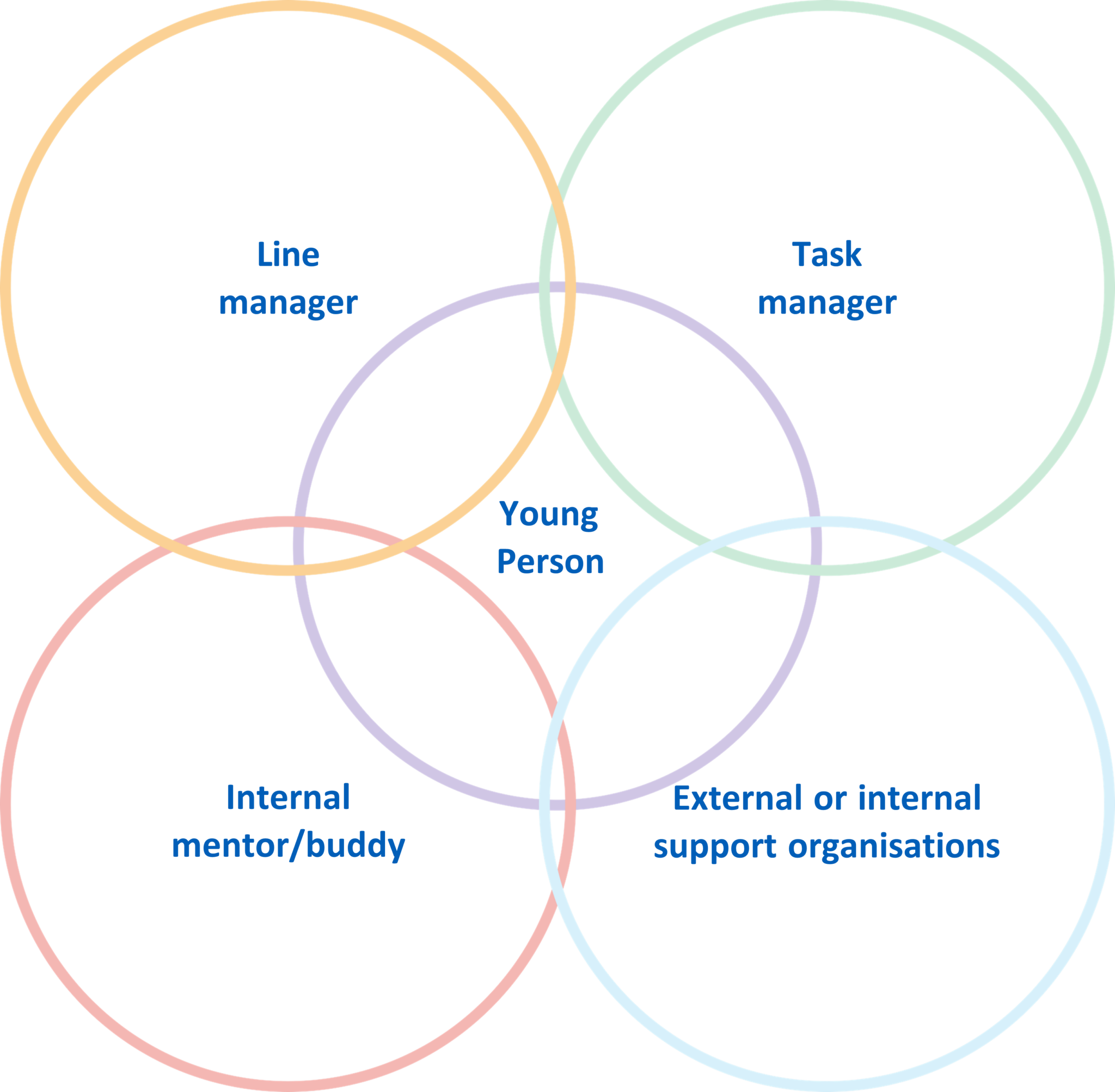
The conventional NHS recruitment process—formal and often daunting—has been carefully modified. Job advertisements now highlight character attributes rather than extensive qualifications. Application procedures have been redesigned to address the unique challenges care leavers might experience—from missing employment history to having limited internet access.
Maybe most importantly, the Programme understands that beginning employment can present unique challenges for care leavers who may be handling self-sufficiency without the safety net of family resources. Issues like commuting fees, proper ID, and financial services—assumed basic by many—can become major obstacles.
The brilliance of the Programme lies in its attention to detail—from clarifying salary details to helping with commuting costs until that essential first payday. Even seemingly minor aspects like coffee breaks and workplace conduct are thoughtfully covered.
For James, whose career trajectory has "changed" his life, the Programme provided more than employment. It offered him a perception of inclusion—that intangible quality that grows when someone feels valued not despite their past but because their distinct perspective enriches the organization.
"Working for the NHS isn't just about doctors and nurses," James comments, his gaze showing the quiet pride of someone who has secured his position. "It's about a community of different jobs and roles, a family of people who truly matter."
The NHS Universal Family Programme represents more than an work program. It functions as a powerful statement that systems can evolve to welcome those who have known different challenges. In doing so, they not only transform individual lives but improve their services through the special insights that care leavers bring to the table.
As James walks the corridors, his presence silently testifies that with the right assistance, care leavers can succeed in environments once considered beyond reach. The embrace that the NHS has offered through this Programme symbolizes not charity but acknowledgment of overlooked talent and the essential fact that each individual warrants a support system that champions their success.


