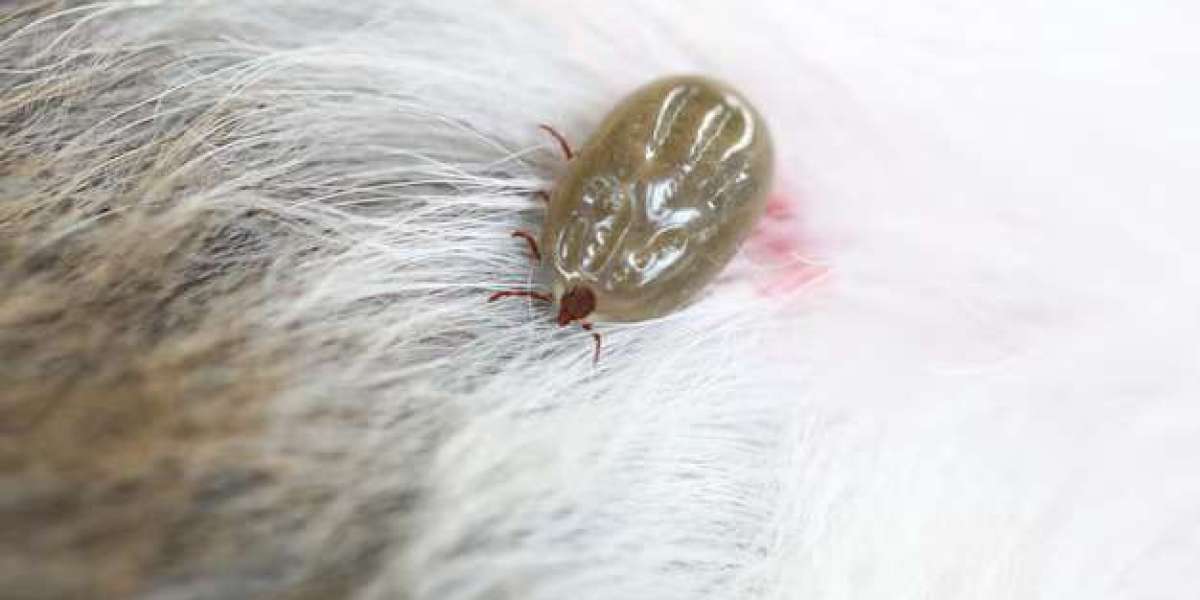
Ticks are more than just a nuisance for dogs — they are parasites that can cause serious health problems if left untreated. Understanding dog tick medication is essential for keeping your pet safe, comfortable, and healthy. This blog explains the problem ticks cause, the available medication options, and practical solutions for effective tick control.
Why Ticks Are a Serious Problem for Dogs
Ticks feed on your dog’s blood and can transmit dangerous diseases such as Lyme disease, Ehrlichiosis, Anaplasmosis, and Babesiosis. Common symptoms of tick infestation include:
- Constant scratching or biting at the skin
- Redness, swelling, or scabs
- Lethargy and weakness
- Fever or loss of appetite
If ticks are not treated quickly, they can lead to infections, anemia, and long-term health complications.
How Dog Tick Medication Works
Dog tick medications are designed to either kill ticks on contact or prevent them from attaching in the first place. These treatments disrupt the tick’s nervous system or life cycle, eliminating the parasite before it causes harm.
Common Types of Dog Tick Medication
1. Oral Tick Medications
These are chewable tablets given monthly or every few months. They work systemically by killing ticks when they bite your dog.
Best for: Long-lasting, hassle-free protection.
2. Topical (Spot-On) Treatments
Applied directly to the skin, usually on the back of the neck. They spread through the skin’s oils to kill ticks on contact.
Best for: Dogs who have difficulty taking oral medication.
3. Tick Collars
Medicated collars release active ingredients slowly over several months.
Best for: Continuous, low-maintenance prevention.
4. Tick Shampoos and Sprays
Used for immediate relief by killing ticks present on the body, but they don’t offer long-term prevention.
Best for: Active infestations alongside other treatments.
Choosing the Right Tick Medication for Your Dog
The best dog tick medication depends on factors such as your dog’s age, weight, lifestyle, and health condition. Active dogs or those in tick-prone areas often need year-round protection. Always consult a veterinarian before starting or switching medications, especially for puppies or dogs with medical conditions.
Additional Solutions to Prevent Tick Problems
Tick medication works best when combined with preventive care:
- Check your dog’s coat after walks or outdoor play
- Keep grass trimmed and yards clean
- Wash bedding regularly
- Avoid areas known for heavy tick infestations
Final Thoughts
Dog tick medication is not just about treating an existing problem — it’s about prevention and peace of mind. With the right medication and consistent care, you can protect your dog from painful bites and serious tick-borne diseases. If you notice ticks or related symptoms, act early and consult your veterinarian to choose the safest and most effective solution for your pet.